Understanding Tractor Road Laws: A State-by-State Overview
Driving a tractor on public roads requires more than just knowing how to operate the machinery; it demands a thorough understanding of state-specific regulations and a strong commitment to safety. This guide provides a comprehensive overview, helping you navigate the legal and safety aspects of driving tractors on the road. Remember, laws vary significantly between states, so always consult your state's Department of Motor Vehicles (DMV) or equivalent agency for the most accurate and up-to-date information. Failing to do so could result in fines or accidents. Are you aware of your state's specific requirements for tractor operation on public roads? For more in-depth training, consider visiting this helpful resource.
Essential Safety Practices for Tractor Drivers
Safe tractor operation prioritizes the well-being of both the operator and other road users. The sheer size and slow speed of tractors present unique challenges when sharing roadways with faster-moving vehicles. Implementing these safety measures is crucial to mitigate risks:
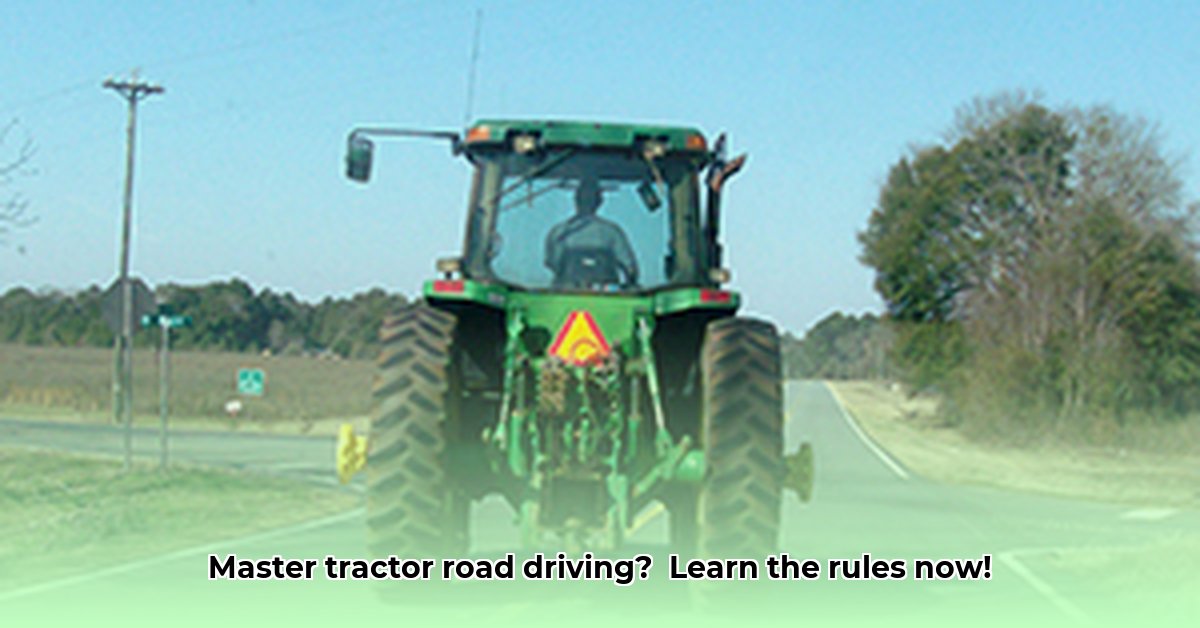
Slow-Moving Vehicle (SMV) Emblem: Many states mandate the use of a bright orange triangular emblem to alert other drivers to your tractor's slower speed. This is a simple yet highly effective safety precaution. (Always confirm your state's requirements).
Adequate Lighting: Ensuring fully functional headlights, taillights, brake lights, and turn signals is non-negotiable, especially during low-light conditions. Proper lighting significantly enhances your visibility to other drivers, reducing the risk of collisions.
Regular Mirror Checks: Due to tractors' large blind spots, frequent use of mirrors is vital for maintaining situational awareness. This allows you to monitor your surroundings and avoid potential hazards.
Oversized Load Considerations: Hauling oversized loads requires extra caution and may necessitate obtaining special permits or using escort vehicles. Regulations for oversized loads vary greatly between states and should be carefully researched before undertaking such operations.
Clear Signaling: Always signal well in advance of any lane changes or turns. This allows other drivers sufficient time to react and avoid potential accidents. Clear signaling is a cornerstone of safe driving.
Weather-Appropriate Driving: Adverse weather significantly impacts visibility and traction. Reduce speeds accordingly, and if conditions become dangerously hazardous, postpone your journey.
Three-Car Rule (Where Applicable): Some states implement a "three-car rule," requiring you to pull over and let following vehicles pass if three or more are queued behind you. This alleviates traffic congestion and enhances overall road safety. However, it is not a universally enforced law.
Rigorous Maintenance: Regular maintenance is not merely about optimal performance; it is fundamental to safety. A well-maintained tractor is less prone to breakdowns, minimizing the risk of roadside emergencies.
State-Specific Regulations: A Quick Reference
The following table provides a simplified overview of regulations; always consult official state sources for detailed information. This table is for informational purposes only and may not reflect the most recent regulatory updates.
| State | SMV Emblem Required? | Oversized Load Regulations | Three-Car Rule? | Additional Notes |
|---|---|---|---|---|
| California | Yes | Varies widely; permits often required | Yes | Detailed regulations on wide loads and permits are common. |
| Texas | Yes | Specific weight and dimension limits exist | No | Strong focus on oversized load permits. |
| Florida | Yes | Varies by load; permits may be needed | No | Extensive safety guidelines. |
| Illinois | Yes | Size and weight restrictions are common | No | Strict enforcement on speed limits for tractors. |
(Note: This table offers a simplified overview. For definitive information, always refer to your state’s Department of Transportation or DMV website.)
Expert Insight: Prioritizing Safety
“The key to safe tractor operation on public roads lies in understanding and adhering to all applicable regulations,” states Dr. Amelia Hernandez, Agricultural Engineering Professor at the University of California, Davis. "Proactive safety measures, like proper lighting and regular vehicle checks, significantly reduce the risk of accidents. Drivers should also consider participating in specialized training before they drive a tractor on the road".
Navigating the Legal Landscape: A Step-by-Step Guide
Research State Regulations: Begin by thoroughly reviewing your state's DMV or Department of Transportation website for specifics on tractor operation.
Confirm Equipment Compliance: Ensure your tractor's lights, signals, and braking system meet all legal requirements.
Obtain Necessary Permits/Licenses: Apply for any necessary permits or licenses well in advance of your intended travel.
Secure Adequate Insurance: Obtain appropriate liability insurance to protect yourself against potential accidents.
Stay Informed of Changes: Regulations are subject to change. Regularly check for updates to maintain compliance.
Conclusion: A Shared Responsibility for Road Safety
Driving a tractor on the road is a shared responsibility. By understanding and obeying state regulations, utilizing safe driving practices, and prioritizing regular maintenance, you contribute to a safer environment for all road users. Remember, your safety and the safety of others depends on your adherence to these guidelines.